Introduction
Modern homes rely on a network of interconnected systems that must work together for comfort, safety, and efficiency. Plumbing, heating, cooling, electrical, roofing, and appliance systems all influence one another, meaning that neglect in one area can quickly create issues elsewhere. A small leak can affect structural integrity, an inefficient heating system can increase energy costs, and faulty wiring can create safety risks throughout the home.
Because of this interdependence, home maintenance should never be treated as a collection of isolated tasks. Instead, it should be viewed as a coordinated system of care. When homeowners take a proactive approach, they reduce the likelihood of emergency breakdowns, extend the lifespan of major systems, and maintain consistent performance year-round.
Preventative maintenance is the foundation of long-term home reliability. Regular inspections, seasonal tune-ups, and timely repairs help identify issues before they become expensive problems. At the same time, understanding when to repair versus replace systems ensures smarter financial decisions over time.
This guide explores the essential components of complete home care, breaking down each major system into practical, actionable strategies. It also highlights how different systems interact, helping homeowners make informed decisions that improve both performance and long-term value.
Establish a Strong Foundation for Whole-Home System Health
A well-functioning plumbing system is essential for daily life, yet it is often overlooked until a problem occurs. Proper maintenance of water lines, drains, and fixtures helps prevent costly damage and ensures consistent water flow throughout the home.
Professional plumbing services help identify hidden issues such as slow leaks, pipe corrosion, and pressure inconsistencies that are not always visible to homeowners. A skilled plumber can also diagnose recurring drainage problems and recommend long-term solutions instead of temporary fixes.
Common warning signs of plumbing issues include:
- Low or inconsistent water pressure
- Slow-draining sinks or tubs
- Unexplained increases in water bills
- Damp spots on walls or ceilings
Preventative care strategies:
- Inspect exposed pipes regularly for corrosion
- Avoid pouring grease or debris down drains
- Install strainers in sinks and showers
- Schedule annual plumbing inspections
A proactive approach to plumbing maintenance helps protect structural components of the home from water damage while improving overall system efficiency.
Keep Heating Systems Efficient and Reliable Year-Round
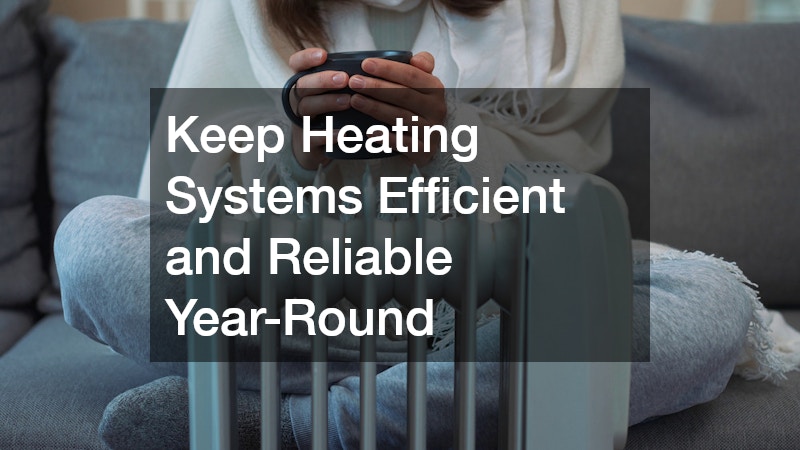
Heating systems play a critical role in maintaining comfort during colder months. When these systems are not properly maintained or installed, they can become inefficient, unreliable, or even unsafe.
Furnace repair is often needed when homeowners notice uneven heating, strange noises, or rising energy bills. In many cases, these issues stem from clogged filters, worn components, or poor airflow.
Heating installation services are equally important when upgrading or replacing outdated systems. Proper sizing and installation ensure that the system operates efficiently without overworking or underperforming.
Key indicators of heating system issues:
- Rooms heating unevenly
- Frequent system cycling on and off
- Unusual burning or mechanical smells
- Rising utility costs without increased usage
Maintenance and efficiency tips:
- Replace filters regularly
- Schedule seasonal furnace inspections
- Keep vents and ducts clean and unobstructed
- Ensure proper insulation throughout the home
A properly maintained heating system not only improves comfort but also reduces long-term energy consumption.
Maintain Indoor Comfort Through Cooling System Optimization
Cooling systems are essential for maintaining indoor comfort during warm weather, but they require regular attention to remain efficient. Air conditioning repair becomes necessary when systems fail to cool effectively or begin to show signs of strain.
Common AC issues include refrigerant leaks, clogged filters, and malfunctioning compressors. Ignoring these problems can lead to reduced efficiency and higher energy bills.
Signs your system needs attention:
- Weak or warm airflow
- Excessive humidity indoors
- Frequent cycling or shutdowns
- Unusual noises during operation
Preventative strategies:
- Clean or replace air filters regularly
- Ensure outdoor units are free of debris
- Schedule annual system inspections
- Monitor energy usage for sudden increases
Proper maintenance ensures consistent cooling performance while extending system lifespan.
Beyond these basics, airflow management plays a major role in system efficiency. Blocked vents, poorly sealed ductwork, or improperly sized units can force the system to work harder than necessary. This not only increases energy consumption but also accelerates wear on critical components. Homeowners should periodically check that furniture, curtains, or storage items are not obstructing vents, and consider professional duct cleaning if dust buildup is suspected.
Another important factor is thermostat performance. A malfunctioning or poorly calibrated thermostat can cause inconsistent cooling cycles, leading to uneven temperatures throughout the home. Upgrading to a programmable or smart thermostat can improve efficiency by allowing more precise temperature control and scheduling.
Outdoor unit placement also affects performance. Units located in direct sunlight or surrounded by debris may struggle to dissipate heat effectively. Providing adequate clearance and shade protection can significantly improve system output.
When combined, these additional practices create a more stable, efficient cooling environment that reduces strain on the system and helps avoid unnecessary air conditioning repair needs over time.
Ensure Safe and Efficient Hot Water Supply Systems
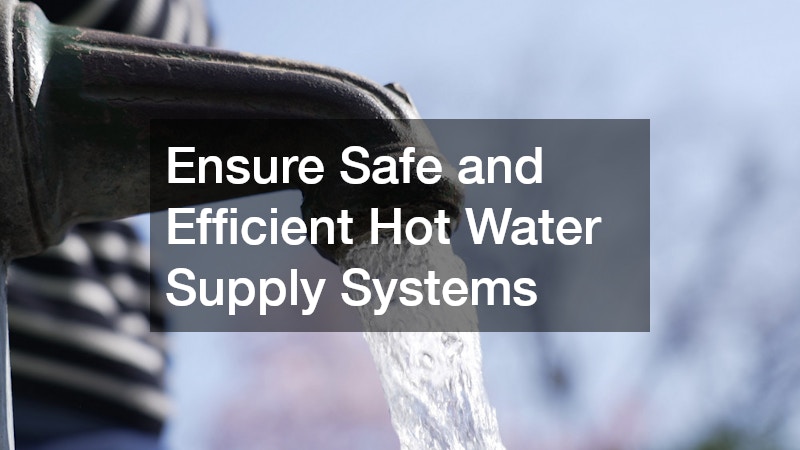
Hot water is essential for cooking, cleaning, and bathing, making water heater performance a critical part of home functionality. Over time, sediment buildup, corrosion, and component wear can reduce efficiency.
Water heater repair is often needed when homeowners experience inconsistent water temperature, leaks, or unusual noises from the tank.
Common water heater problems include:
- Insufficient hot water supply
- Rust-colored water output
- Popping or rumbling sounds
- Water pooling around the unit
Maintenance tips:
- Flush the tank annually to remove sediment
- Inspect the pressure relief valve
- Check for leaks around fittings
- Adjust temperature settings for efficiency
When properly maintained, water heaters can provide reliable service for many years while maintaining energy efficiency.
To extend system lifespan even further, insulation plays an important role. Wrapping the tank and insulating exposed hot water pipes reduces heat loss, allowing the system to maintain temperature with less energy consumption. This is especially beneficial in colder climates where standby heat loss can significantly increase utility costs.
Water quality also impacts performance. Hard water accelerates mineral buildup inside the tank, reducing efficiency and increasing strain on heating elements. Installing a water softener or filtration system can help minimize sediment accumulation and reduce the frequency of water heater repair.
Safety should also remain a priority. Regularly testing the temperature and pressure relief valve ensures the system can safely release excess pressure. Ignoring this component can lead to dangerous pressure buildup over time.
For households with higher demand, upgrading to tankless systems or hybrid models may offer improved efficiency and on-demand heating. These systems reduce standby energy loss and provide continuous hot water, making them a strong long-term investment.
Improve Appliance Reliability and Household Efficiency
Household appliances play a major role in daily convenience and efficiency. When they malfunction, it can disrupt routines and increase household stress. Appliance repairs help extend the life of equipment while avoiding unnecessary replacement costs.
Common appliance issues include electrical failures, motor malfunctions, and worn mechanical components.
Signs of appliance problems:
- Appliances not powering on
- Unusual vibrations or noises
- Reduced performance efficiency
- Inconsistent operation cycles
Maintenance practices:
- Clean appliances regularly to prevent buildup
- Avoid overloading washing machines or dryers
- Inspect seals and hoses for wear
- Address minor issues before they worsen
Repairing appliances instead of replacing them often provides a cost-effective solution while reducing waste.
Additional long-term reliability strategies include using appliances according to manufacturer guidelines rather than pushing them beyond recommended capacity. Overloading dishwashers, dryers, or refrigerators can significantly shorten their lifespan. Proper leveling of appliances also helps reduce vibration-related damage over time.
Electrical consistency is another overlooked factor. Power surges or unstable voltage can damage internal components. Using surge protectors or dedicated circuits for major appliances can help prevent sudden failures.
Routine servicing of mechanical parts such as motors, belts, and filters can also significantly improve efficiency. For example, cleaning refrigerator coils improves cooling performance and reduces energy consumption, while maintaining dryer vents reduces fire risk and improves drying efficiency.
By combining preventive care with timely appliance repairs, homeowners can significantly extend equipment lifespan and maintain consistent household performance.
Protect Your Home from Structural Roof Damage
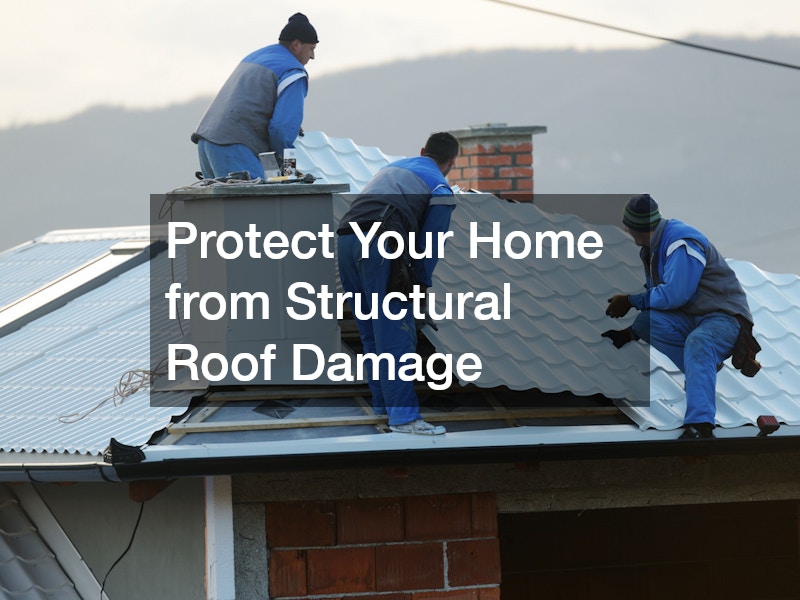
The roof is one of the most important structural elements of any home, protecting it from weather, moisture, and environmental damage. A roofing company provides inspection, repair, and replacement services that ensure long-term durability.
Roof damage can occur gradually due to weather exposure or suddenly after storms.
Common warning signs:
- Missing or damaged shingles
- Water stains on ceilings
- Sagging roof sections
- Visible mold or algae growth
Preventative care:
- Schedule annual roof inspections
- Clean gutters regularly
- Address small leaks immediately
- Trim overhanging tree branches
Maintaining roof integrity prevents costly structural damage and protects the entire home.
In addition to these measures, attic ventilation plays a critical role in roof longevity. Poor ventilation traps heat and moisture, which can weaken roofing materials and promote mold growth. Ensuring proper airflow through soffit and ridge vents helps regulate temperature and moisture levels year-round.
Seasonal weather changes also impact roof performance. Freeze-thaw cycles can cause small cracks to expand, while heavy rain can exploit weak points in flashing or seams. After major storms, a professional inspection can identify hidden damage that may not be visible from the ground.
Material choice also affects durability. Asphalt shingles, metal roofing, and tile systems each have different lifespans and maintenance requirements. Understanding these differences helps homeowners plan for long-term upkeep and eventual replacement.
A proactive roofing strategy reduces the likelihood of sudden failures and extends the overall lifespan of the structure.
Maintain Safe Ventilation and Heating System Exhaust
Chimneys play a vital role in safely venting smoke and gases from fireplaces and heating systems. Without proper maintenance, they can become blocked or hazardous.
Chimney maintenance is essential for preventing fire hazards and ensuring proper airflow.
Common issues include:
- Creosote buildup inside the flue
- Blocked airflow due to debris or nests
- Cracked masonry or structural damage
- Poor drafting performance
Maintenance recommendations:
- Schedule annual chimney inspections
- Clean flues regularly
- Repair cracks or damaged mortar promptly
- Install chimney caps to prevent debris entry
Proper chimney care improves safety and heating efficiency.
Additional considerations include monitoring indoor air quality, especially in homes that use fireplaces frequently. Poor ventilation can lead to carbon monoxide buildup, which is a serious safety hazard. Installing carbon monoxide detectors near sleeping areas and heating sources adds an important layer of protection.
Moisture intrusion is another concern. Water entering the chimney system can damage masonry, accelerate deterioration, and reduce efficiency. Proper flashing and chimney caps help prevent these issues.
Regular chimney maintenance not only improves safety but also enhances heating performance by ensuring proper draft and combustion efficiency.
Ensure Electrical Safety and System Reliability
Electrical systems power nearly every function in a modern home, making safety and reliability essential. Electrical services help maintain wiring, panels, outlets, and circuits.
Warning signs of electrical issues include:
- Flickering or dimming lights
- Frequent breaker trips
- Burning smells near outlets
- Outdated wiring systems
Safety practices:
- Avoid overloading circuits
- Replace damaged outlets or switches
- Schedule periodic electrical inspections
- Upgrade outdated panels when necessary
Proper electrical maintenance reduces fire risk and ensures consistent system performance.
Additional improvements include grounding system checks, especially in older homes where grounding may not meet modern safety standards. Proper grounding protects appliances and reduces shock risks during electrical faults.
Energy demand is also increasing in modern households due to smart devices, home offices, and high-powered appliances. Electrical systems must be evaluated to ensure they can handle increased load safely. Panel upgrades and circuit redistribution may be necessary to prevent overload conditions.
Surge protection is another important consideration. Installing whole-home surge protectors helps safeguard sensitive electronics from voltage spikes caused by storms or grid fluctuations.
Together, these practices ensure a safer, more reliable electrical infrastructure throughout the home.
Coordinate Multi-System Home Maintenance Efficiently
Managing multiple home systems requires careful coordination to avoid overlapping repairs and inefficiencies. Scheduling plumbing, electrical, HVAC, and roofing work strategically helps reduce disruption.
Best practices:
- Group related maintenance tasks together
- Plan seasonal inspections in advance
- Keep detailed service records
- Use a master maintenance calendar
Coordinated planning ensures smoother execution and better long-term results.
Expanding on this approach, prioritization is essential. Structural and safety-related issues should always take precedence over cosmetic improvements. For example, roofing or electrical concerns should be addressed before interior upgrades to prevent damage to newly completed work.
Communication between service providers also improves efficiency. When contractors are aware of each other’s schedules, they can avoid conflicts and reduce downtime between tasks. This is especially important for multi-phase projects where timing directly impacts cost and completion speed.
Homeowners benefit greatly from maintaining a centralized record of all repairs, inspections, and upgrades. This documentation helps track system performance over time and simplifies future planning decisions.
Conclusion
A well-maintained home is the result of consistent attention, informed decision-making, and proactive planning. Each system—plumbing, heating, cooling, electrical, roofing, appliances, and ventilation—plays a role in overall performance. When these systems are maintained together rather than separately, the entire home benefits from improved efficiency, safety, and longevity.
One of the most important principles in home ownership is prevention. Small issues, when addressed early, rarely become major problems. Routine inspections, seasonal maintenance, and timely repairs help homeowners avoid unexpected breakdowns and expensive emergency services. Over time, this approach not only reduces costs but also preserves the structural integrity of the home.
Equally important is understanding when to repair versus replace. While repairs can extend the life of many systems, there comes a point where replacement becomes more cost-effective and reliable. Making informed decisions requires awareness of system performance, age, and efficiency.
Financial planning also plays a critical role. Home maintenance is an ongoing responsibility, and budgeting for both expected and unexpected needs ensures stability. Homeowners who plan ahead are better prepared to handle repairs without stress or financial strain.
Ultimately, a safe and efficient home is not achieved through reactive fixes but through consistent care and strategic planning. By maintaining awareness of how each system interacts and committing to regular upkeep, homeowners can create a living environment that remains comfortable, efficient, and reliable for years to come.